
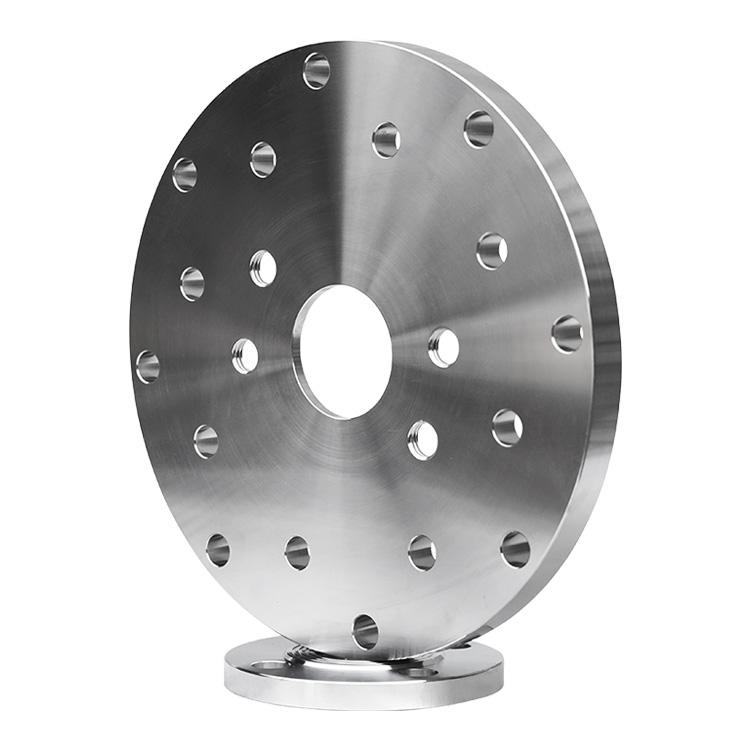
Stainless steel neck flange for corrosion resistant use is one of the most trusted connection solutions in piping systems where strength,
durability, sealing reliability, and long-term resistance to harsh environments are required. In industrial projects, the neck flange design is widely used
because it provides a strong welded connection, excellent load distribution, and dependable performance under pressure, temperature fluctuation, and
chemical exposure. When the application involves seawater, moisture, acids, alkalis, chlorides, or outdoor weathering, a stainless steel neck flange
becomes a preferred option due to its inherent corrosion resistance and structural stability.
This page provides a comprehensive, SEO-friendly overview of the stainless steel neck flange for corrosion resistant use, including definitions, design
features, material advantages, common grades, dimensional considerations, types, applications, selection factors, and specification tables. The content is
written for industrial buyers, engineers, procurement teams, distributors, and technical readers who need a clear and practical understanding of this
product category.
A stainless steel neck flange is a flange with a long tapered hub that is welded to a pipe. The neck provides reinforcement at the connection point,
helping reduce stress concentration and improve the mechanical strength of the joint. Because the pipe and flange are welded together, the connection is
more stable than many alternative joining methods, especially in high-pressure or high-vibration systems.
In corrosion resistant applications, the material is typically stainless steel, which offers a protective chromium-rich oxide layer on the surface. This
passive film helps resist rust, oxidation, and damage from many corrosive media. As a result, stainless steel neck flanges are widely used in environments
where carbon steel would corrode too quickly or require frequent maintenance.
The main reason to choose a stainless steel neck flange for corrosion resistant use is the combination of corrosion resistance and
high mechanical performance. In piping systems, corrosion can reduce wall thickness, weaken joints, and create leakage risks. Stainless
steel helps extend service life and maintain sealing integrity in challenging conditions.
Stainless steel neck flange products are chosen not only for corrosion resistance but also for overall system efficiency. Their design and material
characteristics deliver several important benefits.
The most important benefit is resistance to corrosion. Stainless steel contains chromium, and in many grades, nickel, molybdenum, or other alloying
elements that improve performance in aggressive environments. This makes the flange suitable for applications involving moisture, salt spray, chemicals,
cleaning agents, and industrial fluids.
The neck flange is designed for welding to the pipe. This creates a robust joint that can handle pressure, vibration, and thermal expansion more
effectively than some other flange styles. The tapered hub also helps distribute stress from the flange face into the pipe wall.
A stainless steel neck flange for corrosion resistant use generally offers a longer service life than non-stainless alternatives in the same environment.
Reduced corrosion means less repair work, fewer shutdowns, and lower lifecycle cost.
Stainless steel neck flanges can be used in hot, cold, wet, and chemically active conditions. They are often selected for industries that require stable
operation and dependable sealing over time.
Stainless steel has a clean metallic finish that is often desirable in sanitary or visible installations. This is especially valuable in food processing,
pharmaceutical, and architectural piping systems.
The choice of material grade directly affects corrosion resistance, strength, and cost. Different stainless steel grades are selected based on the
operating environment and the type of corrosive exposure.
| Stainless Steel Grade | Typical Characteristics | Common Corrosion Resistance Level | Typical Use Cases |
|---|---|---|---|
| 304 / 304L | General-purpose austenitic stainless steel; good formability and weldability | Good in many indoor and mild outdoor environments | Water systems, food equipment, general process piping |
| 316 / 316L | Contains molybdenum for better resistance to chlorides and pitting | Very good in marine and chemical environments | Seawater exposure, offshore systems, chemical processing |
| 321 | Stabilized with titanium for better resistance to intergranular corrosion | Good at elevated temperatures | Heat-exposed piping, exhaust systems, thermal processing |
| 317L | Higher molybdenum content for improved pitting resistance | Excellent in aggressive chloride environments | Strong chemical and saline conditions |
| Duplex Stainless Steel | Combines austenitic and ferritic structures; high strength and strong corrosion resistance | Excellent in demanding marine and industrial service | Offshore platforms, high-stress piping, severe corrosive media |
Stainless steel neck flange products are available in different face styles, pressure classes, and design standards. While the neck structure remains the
core feature, the flange may be produced in several configurations depending on the system requirement.
The weld neck flange is the most common type in this category. It has a long tapered hub that is butt-welded to the pipe. This design is preferred in
high-pressure systems because it offers excellent stress distribution and reliable sealing performance.
Raised face neck flanges have a slightly elevated sealing surface around the bore. This helps concentrate gasket pressure and improve sealing integrity.
They are used across many industrial piping systems.
Flat face versions provide a completely flat sealing surface. They are often used in systems where mating with cast iron or non-metallic components is
required.
RTJ neck flanges use a metal ring gasket seated in a machined groove. This style is used where extremely tight sealing is needed, especially in high
pressure and high temperature applications.
Stainless steel neck flange dimensions vary according to nominal pipe size, pressure rating, and design standard. The table below provides a general
reference for common specification elements. Exact dimensions should always be verified against the applicable standard.
| Specification Item | Typical Range / Options | Notes |
|---|---|---|
| Nominal Size | 1/2" to 48" or larger | Depends on project requirement and standard |
| Pressure Class | Class 150, 300, 600, 900, 1500, 2500 | Higher class means greater pressure capability |
| Face Type | Raised Face, Flat Face, Ring Type Joint | Selected based on gasket and mating flange design |
| Standard | ASME, ANSI, DIN, EN, JIS, BS | Regional and project-specific standards apply |
| Material | 304, 304L, 316, 316L, 321, 317L, Duplex | Chosen based on corrosion and temperature requirements |
| Surface Finish | Pickled, polished, machined, passivated | Finish affects corrosion behavior and appearance |
| Connection Type | Butt weld | Primary connection method for neck flanges |
The corrosion resistant performance of a stainless steel neck flange depends on the environment, chemical concentration, temperature, chloride level,
cleaning method, and maintenance practice. Understanding the service environment helps determine the most suitable grade.
Salt air, seawater, and high humidity can accelerate corrosion. In these conditions, 316 or duplex stainless steel is often preferred because of their
improved resistance to pitting and crevice corrosion.
Chemical plants may expose flanges to acids, alkalis, solvents, and process residues. The selected stainless steel grade must match the specific
chemical exposure. In more aggressive conditions, higher alloy content may be required.
Sanitary systems require corrosion resistance, cleanability, and low contamination risk. Stainless steel neck flanges are suitable because they can be
cleaned easily and resist many cleaning chemicals and washdown conditions.
Water systems often involve moisture, dissolved minerals, and exposure to outdoor conditions. Stainless steel neck flanges help reduce rust and improve
long-term reliability in pipelines, pump stations, and treatment facilities.
Some stainless steel grades retain useful mechanical and corrosion properties at elevated temperatures. In thermal systems, selection should consider
oxidation resistance, creep strength, and the stability of the welded joint.
Compared with carbon steel flanges, a stainless steel neck flange for corrosion resistant use delivers superior protection against environmental damage.
Carbon steel may be stronger in some cost-sensitive applications, but it typically requires coatings, painting, or regular maintenance to control rust.
| Comparison Factor | Stainless Steel Neck Flange | Carbon Steel Flange |
|---|---|---|
| Corrosion Resistance | High | Low to moderate without coating |
| Maintenance Need | Lower | Higher |
| Service Life | Longer in corrosive environments | Shorter in wet or chemical environments |
| Appearance | Clean and bright | May rust or need protective coating |
| Initial Cost | Higher | Lower |
| Lifecycle Cost | Often lower over time | Can be higher due to maintenance and replacement |
Selecting the correct stainless steel neck flange requires a balance of material choice, pressure rating, design standard, face type, and operating
environment. A good selection process reduces leakage risk and helps ensure reliable performance.
The quality of a stainless steel neck flange depends on raw material selection, forging or machining accuracy, heat treatment where applicable, surface
preparation, dimensional inspection, and final testing. Because these components are used in critical piping systems, quality control is essential.
Stainless steel neck flange products are used in many industrial sectors. Their corrosion resistance and welded strength make them suitable for demanding
service conditions.
| Industry | Typical Use | Main Benefit |
|---|---|---|
| Oil and Gas | Process piping, offshore systems, refinery lines | Pressure strength and corrosion protection |
| Chemical Processing | Acid lines, solvent systems, transfer pipelines | Resistance to aggressive media |
| Marine and Offshore | Seawater piping, deck systems, shipboard lines | Chloride resistance |
| Food and Beverage | Sanitary process piping, cleaning systems | Hygiene and cleanability |
| Pharmaceutical | Purified fluid lines, clean process systems | Low contamination risk |
| Water Treatment | Distribution, pumping, filtration equipment | Durability in wet environments |
| Power Generation | Cooling water, steam-related piping | Performance under temperature and pressure |
Even the best stainless steel neck flange for corrosion resistant use should be installed correctly to achieve its full performance. Proper installation
reduces leakage, preserves alignment, and minimizes stress on the piping system.
Stainless steel neck flanges are manufactured according to recognized standards that define dimensions, pressure ratings, facing types, and material
requirements. The correct standard depends on regional practice and project specifications.
| Standard System | Common Usage | Notes |
|---|---|---|
| ASME / ANSI | Widely used in North America and international projects | Common pressure classes and dimensional series |
| DIN | Common in European and global industrial systems | Metric-based dimensions and pressure designations |
| EN | European harmonized standard system | Often used for modern infrastructure and equipment |
| JIS | Frequently used in Japanese and Asian projects | Specific pressure and dimensional formats |
| BS | Traditional British standard applications | May still appear in legacy systems |
To support search visibility, content related to stainless steel neck flange for corrosion resistant use often includes terms such as:
stainless steel weld neck flange, corrosion resistant flange, stainless steel piping flange,
316 stainless steel flange, 304 stainless steel flange, high pressure flange,
marine grade flange, industrial neck flange, butt weld flange, and corrosion resistant piping component.
Using these phrases naturally throughout technical content can help reinforce topical relevance for search engines.
Stainless steel contains chromium, which forms a protective passive layer on the surface. This layer helps resist rust and oxidation in many environments.
Higher alloy grades such as 316 offer improved resistance in chloride-rich conditions.
Yes, a weld neck flange is often preferred for high-pressure systems because the tapered hub transfers stress more effectively and the butt-welded joint
creates a strong connection to the pipe.
316 and duplex stainless steel are commonly chosen for marine and offshore environments because they offer better resistance to chloride-induced corrosion
than standard 304 stainless steel.
Yes. Stainless steel neck flanges are widely used in sanitary and hygienic systems because they are durable, cleanable, and resistant to many cleaning
chemicals and moisture exposure.
A stainless steel neck flange for corrosion resistant use is a high-value piping component designed for dependable sealing, strong welded connections,
and long service life in harsh environments. Its combination of corrosion resistance, structural strength, and broad material selection makes it suitable
for marine, chemical, food, water, offshore, and process industries. When selected and installed correctly, this flange type can significantly improve
system reliability while reducing maintenance burden and lifecycle cost.
For engineers, buyers, and technical readers, understanding the material grade, pressure class, face type, and application environment is essential to
choosing the right stainless steel neck flange. With the correct specification, this component can provide outstanding performance in corrosive service
conditions and remain a dependable part of modern industrial piping systems.


Urheberrecht © 2022 Zhejiang Songlin Flange Co., Ltd.
SitemapDiese Website verwendet Cookies, um sicherzustellen, dass Sie das beste Erlebnis auf unserer Website erhalten.

 English
 Español
 Pусский
 Français
 日本語
日本語 한국어
한국어 العربية
 Italiano
 Nederlands



 WhatsApp
 Telefon
Kommentar
(0)